
On the road · Romania and Moldova
Trains, buses and the road between the two countries
Romania and Moldova are joined by a river border, a long rail line and a handful of roads; getting around takes patience, some planning and a check of the details before every trip.
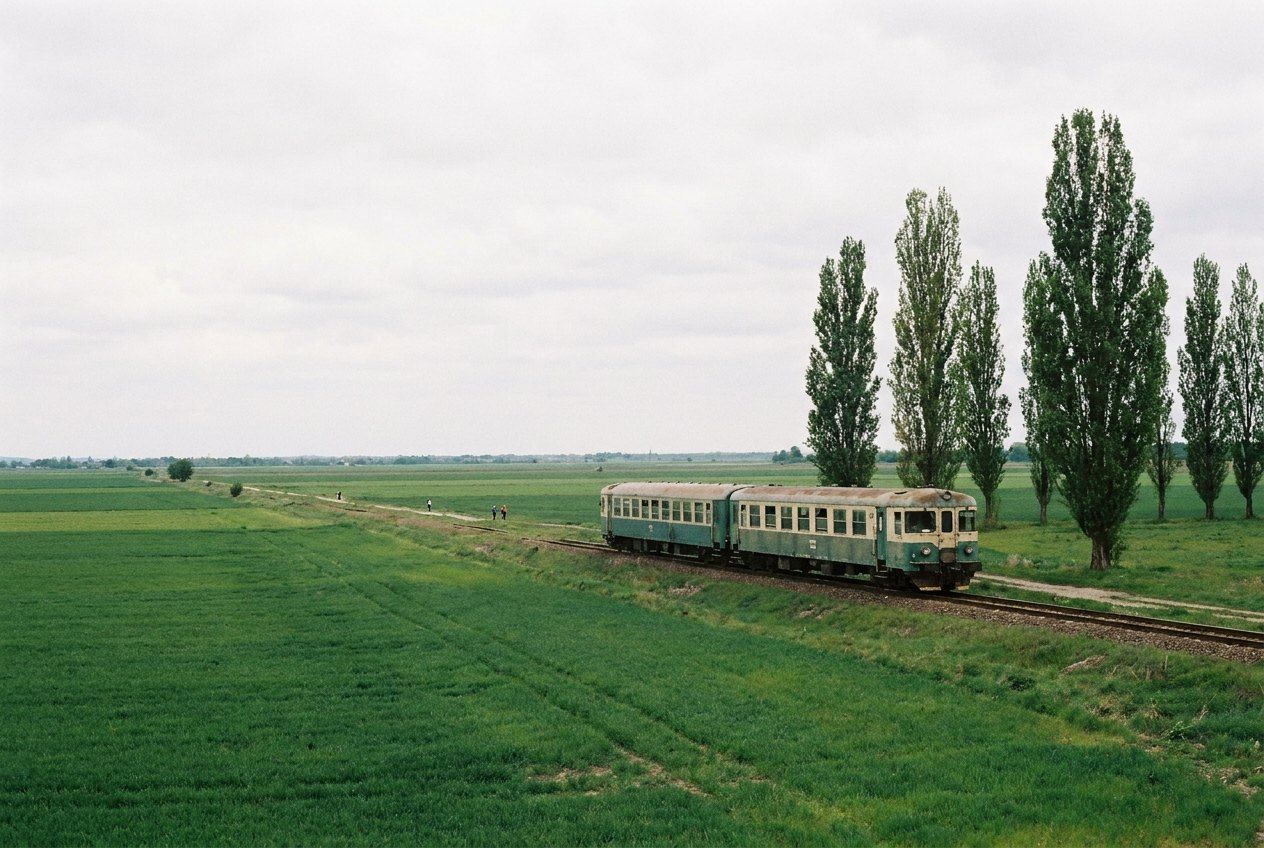
Romania is a large country, and its sights are spread out: the Carpathian towns of Transylvania, the monasteries of the north, the Danube and the sea in the east, and the capital in the south. Moldova, on the far side of the river Prut, is much smaller, and nearly everything a visitor sees there can be reached from Chișinău in a day. Between them, trains, buses and private cars carry most travellers, and each has its place.
A word of caution before the details. Timetables, routes and fares change, sometimes with little notice, and services can be cut or added between seasons. Everything here is general. Check the current information shortly before you travel, and again on the day.
Trains
Romania has an extensive rail network that reaches most towns of any size. The main lines link Bucharest with Brașov and Transylvania, with the north-east, with Cluj and the west, and with the Black Sea coast at Constanța. Trains are often slower than buses on the same route, because many lines wind through mountains and some track is old, but they are comfortable and a good way to see the country. The line through the Prahova valley past Sinaia, and the routes through the mountains of the north, are worth taking for the view alone.
Long routes have night trains with sleeping and couchette carriages, which turn a slow journey into a night's rest. Book a bed on popular routes, especially in summer and around holidays. Stations are the gară, and in smaller towns the station may be some way from the centre.
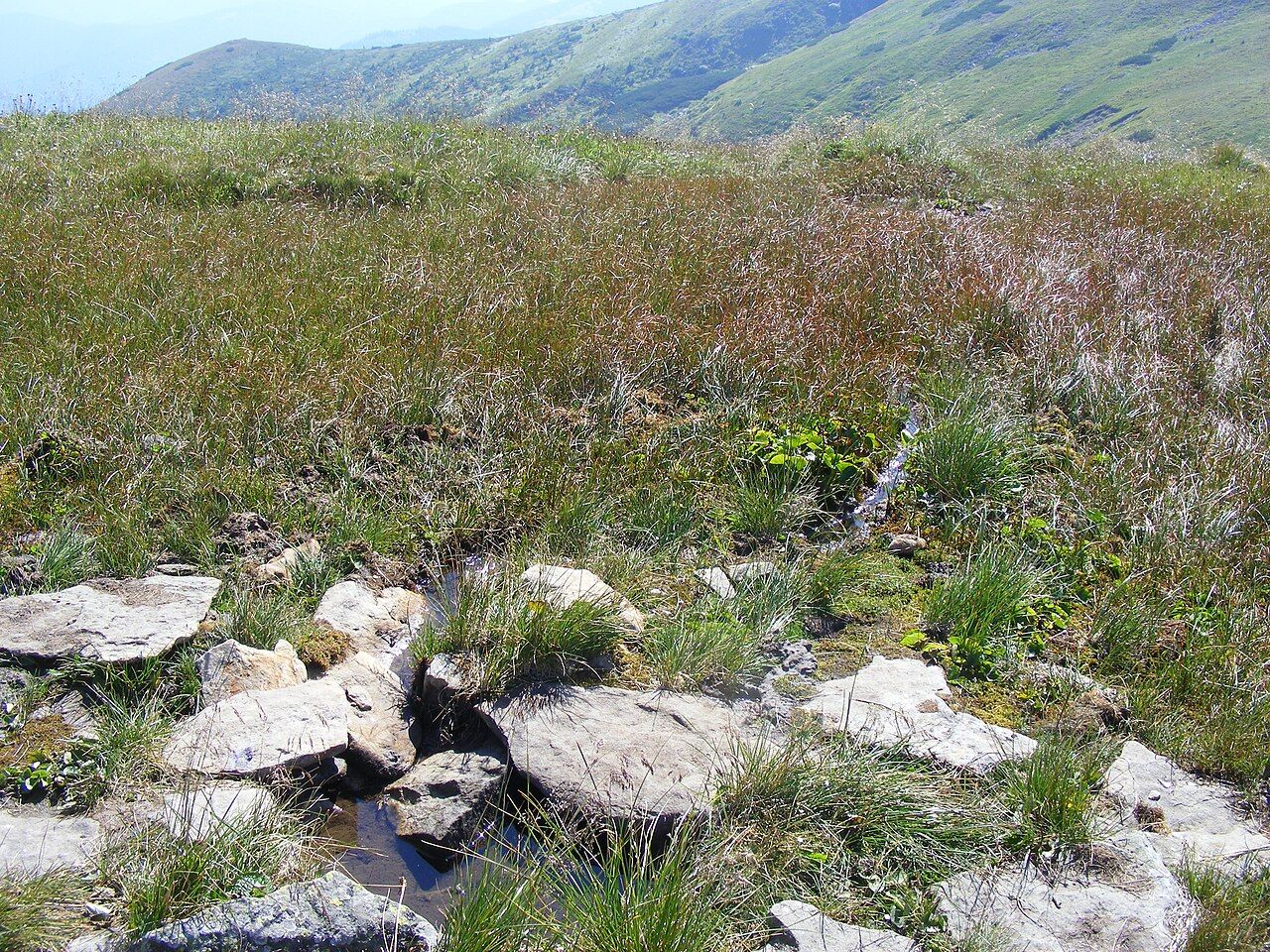
In Moldova the network is smaller and services are fewer, and buses are usually the more practical choice inside the country. The main international rail link runs between Chișinău and Romania. The two countries use different track widths, a legacy of the Russian Empire, so a train crossing the Prut either changes its wheel sets at the border or connects with another train, and the crossing takes time.
Buses and minibuses
Buses fill in where the trains do not go, and on many routes they are faster. Coaches link the main cities in both countries, and minibuses, often called maxi-taxi or rutieră in Moldova and microbuz in Romania, run to the smaller towns and villages. In Chișinău, several bus stations serve different directions, so check which one your route uses.
Further along the arcAt the Romanian and Moldovan tableLong-distance buses also cross the border between Romania and Moldova, linking Chișinău with Iași, Bucharest and other Romanian cities. For short local hops, ask at the station or the stop; the destination is usually shown on a card in the windscreen, and on minibuses you may pay the driver.
Crossing the Prut
The Prut forms the border between Romania and Moldova for its whole shared length, and it is crossed by a small number of road and rail bridges. The best known are on the main road between Iași and Chișinău and on the rail line through Ungheni, with other crossings further north and in the south near Galați.
Romania is part of the European Union and the Schengen area, and Moldova is outside both, so the Prut is an external frontier with full passport and customs checks in both directions. Bring the document your nationality requires, and check the entry rules for both countries before you go. Queues can be long at busy times, especially on weekends and holidays, and allowances for goods such as alcohol and tobacco are strict.
East of the Dniester lies Transnistria, a breakaway region where foreign governments advise caution. Check your government's current advice before any plans that would take you there.
Driving and the roads
A car gives you the most freedom, especially for the villages, monasteries and mountain roads. Romania has a growing motorway network, but much travel is still on two-lane national roads through towns and villages, and journeys take longer than the distances suggest. Bucharest to Chișinău is around 450 kilometres by road, a long day's drive with the border. Mountain roads such as the Transfăgărășan open only in the warmer months.
Both countries require a road-use vignette for cars on national roads; check the current rules for your vehicle. Driving standards vary, overtaking can be bold, and on rural roads you share the way with horse carts, cyclists, livestock and people walking, often without lights after dark. Avoid driving at night in the countryside if you can. The drink-driving rules are strict in both countries: do not drink at all if you are driving.
If you take a rental car across the border, the rental company must agree in advance, and you need the right papers and insurance for both countries.
Money, cards and connections
Both countries use a currency called the leu, but they are different currencies: the Romanian leu and the Moldovan leu. Do not mix them up when you change money or read a price. Cards are widely accepted in the cities, and cash machines are easy to find, but in villages, at markets and on minibuses cash is still the rule. Carry small notes.
Mobile coverage is good in most of both countries, though your roaming terms may differ between Romania in the EU and Moldova outside it; check with your provider. Keep offline maps on your phone for the mountains and for the stretches near the border.
For the starting points, see Bucharest and Chișinău; for the river country in the east, the Danube Delta, where boats replace roads altogether.
The photographs on this page are credited, with their licences, on threads and photographers.