
Moldova · Chișinău
Chișinău, the green capital
Moldova's capital is a city of wide boulevards, leafy parks and Soviet-era blocks around a small old core, where a morning at the market and an afternoon in the park explain a great deal.
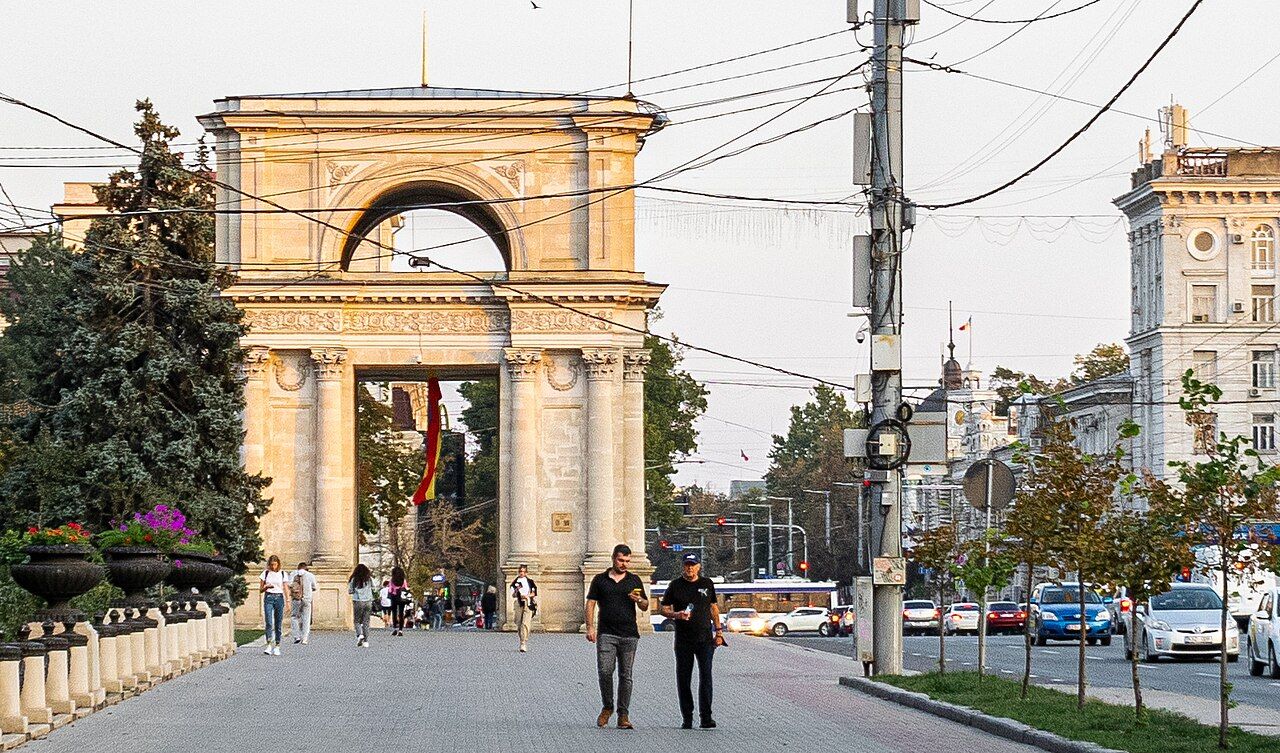
Chișinău, written Chisinau when the diacritics go missing, is the capital of the Republic of Moldova and by far its largest city. It sits on low hills above the small river Bâc, and it is greener than first impressions suggest: chestnut and lime trees line the boulevards, and large parks and lakes break up the blocks of flats. Much of the centre was destroyed by an earthquake in 1940 and by the fighting of the Second World War, and it was rebuilt in the Soviet years on a broad, planned grid. A few older streets and buildings survived, and part of the pleasure of the city is spotting them between the later blocks.
Moldova declared its independence in 1991, when the Soviet Union broke up. Romanian is the official language, and the wording of the constitution was changed in 2023 to name it that way; Russian is also widely spoken, especially in the capital, and you will hear both on the same street and often in the same conversation. Signs are in Romanian, written in the Latin alphabet. Moldova has its own identity, shaped by long periods under different rulers, and people describe it in different ways. As a visitor you do not need to take a side; it is enough to listen.
Ștefan cel Mare boulevard and park
The spine of the city is Bulevardul Ștefan cel Mare și Sfânt, the long boulevard named for Stephen the Great, the 15th-century prince of Moldavia who fought off Ottoman, Hungarian and Polish armies and built churches and fortresses across the region. Government buildings, theatres, the parliament and the presidency all stand along it, and so do many of the city's shops and cafes.
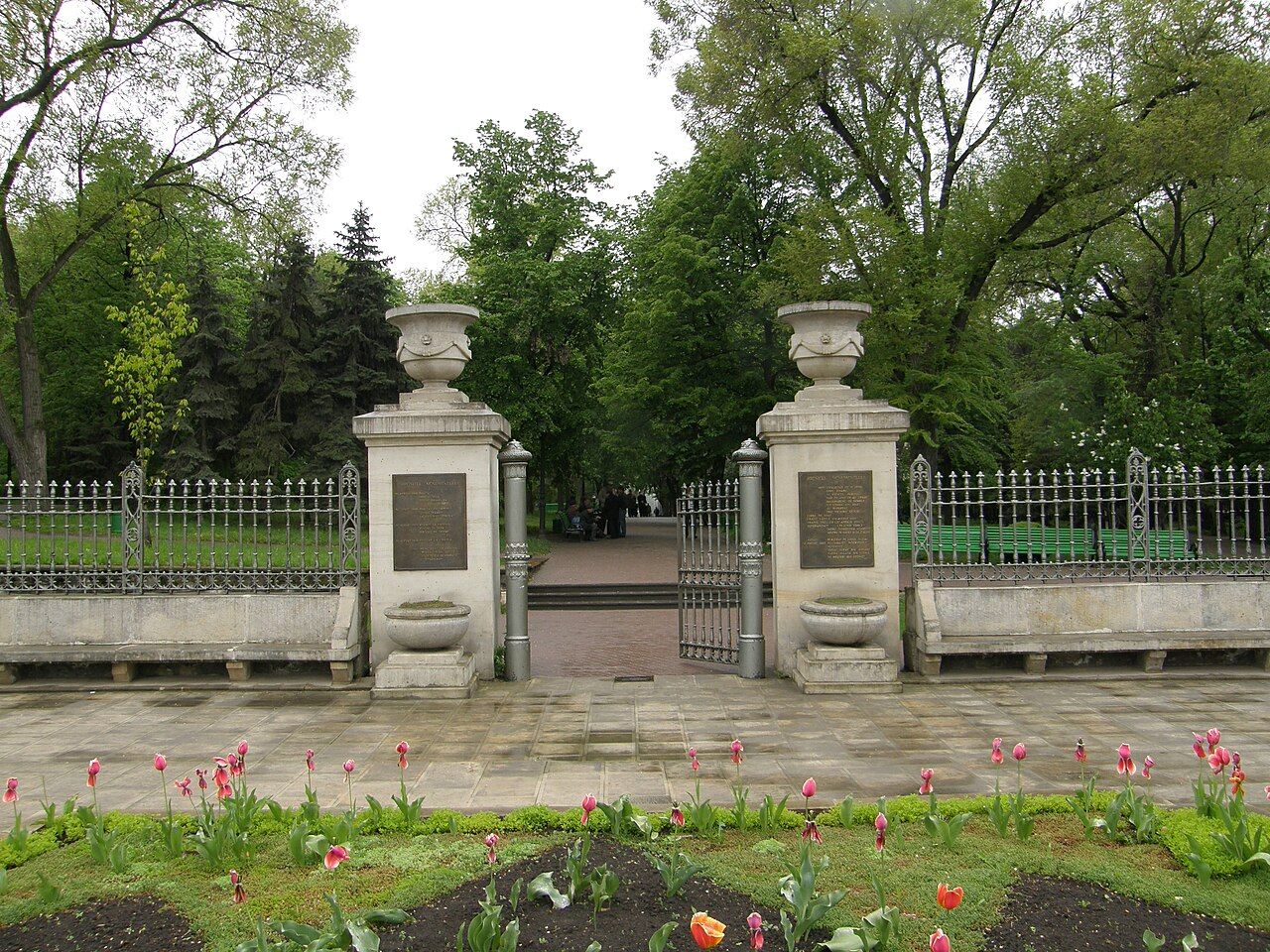
At the corner of the boulevard and the central streets, a statue of Stephen holding a cross stands at the gate of the park that also carries his name. The statue was made in the 1920s, and it has been moved and returned more than once as the city changed hands. The park itself, the oldest in Chișinău, is a grid of shaded paths around a fountain. Its Alley of Classics is lined with busts of writers in the Romanian language, among them the poet Mihai Eminescu and the storyteller Ion Creangă. Older men play chess on the benches, families walk on summer evenings, and on public holidays the park fills with music.
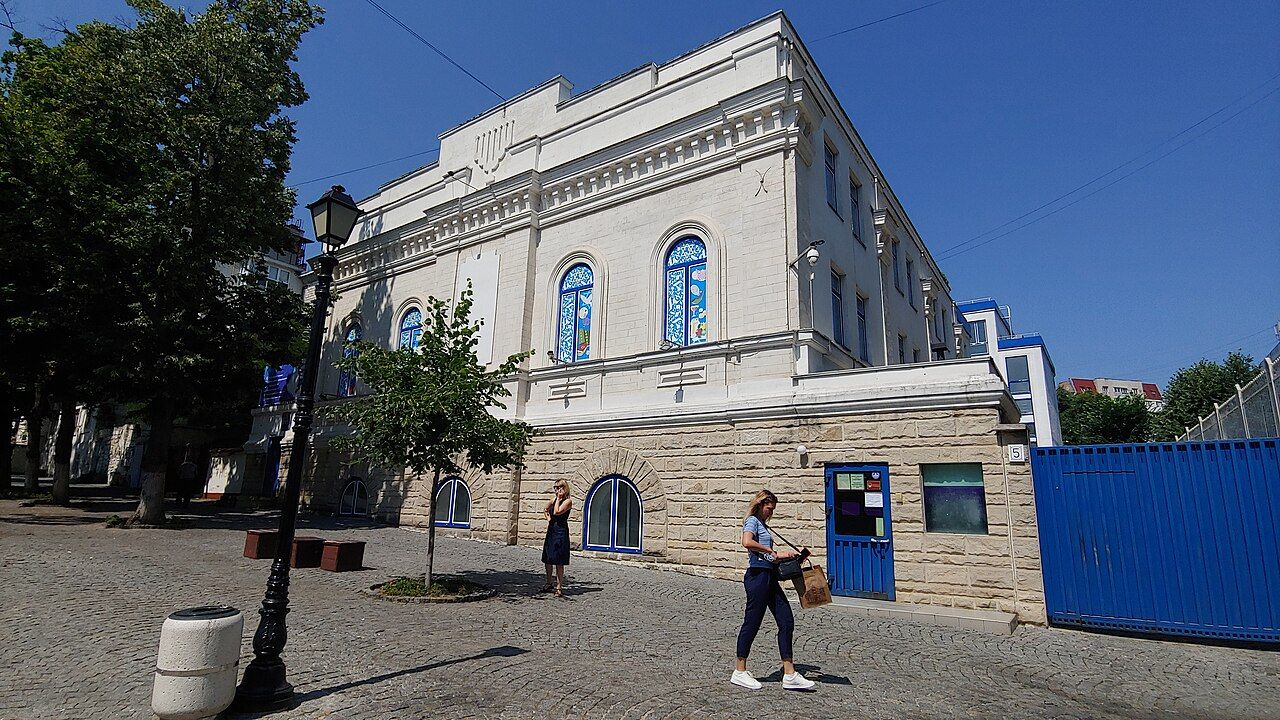
Pushkin spent three years of exile in Chișinău in the early 1820s, and a small house-museum in the old part of town keeps the rooms where he lived. It is a reminder that the city was then part of the Russian Empire, which had taken the land between the Prut and the Dniester in 1812.
The cathedral, the arch and the squares
Across the boulevard from the park is the Cathedral Park, with the Orthodox Cathedral of Christ's Nativity at its centre. The cathedral was built in the 1830s in a neoclassical style, with porticoes on its sides and a dome over the middle. Its tall bell tower was blown up in the Soviet period and rebuilt after independence. Services are held daily; dress modestly, keep your voice down, and ask before taking pictures inside.
Facing the boulevard, between the cathedral grounds and the main square, stands the Triumphal Arch, sometimes called the Holy Gates, put up in the 1840s to mark a Russian victory over the Ottoman Empire. Beyond it is the Great National Assembly Square, the big open space in front of the Government House, where independence was declared, where protests and concerts gather, and where the city puts up its Christmas tree and its markets.
As a visitor you do not need to take a side; it is enough to listen.
In early October, the square is the stage for the national wine festival, with stalls from producers across the country; read more about Moldova's wine country and its underground galleries before you come.
Further along the arcSoroca fortress and the DniesterThe central market
A few streets from the boulevard, the central market, Piața Centrală, is the busiest place in the city. Under the old covered halls and across the open lots around them, sellers lay out cheese and sour cream from the villages, honey, nuts, pickles in big jars, cuts of meat, herbs, and in summer and autumn piles of tomatoes, peppers, grapes, plums and melons. There are sections for clothes, tools and household goods, and the noise and crowding are part of the experience.
Go in the morning, when the produce is freshest and the stallholders are less tired. Cash is usual, keep your bag closed in the crowd, and ask before photographing anyone's stall. Much of what you see here turns up later on the plate: the Romanian and Moldovan table begins at markets like this one.
Soviet-era Chișinău
The rebuilt city has some of the most striking late Soviet architecture in the region, and it is worth looking for rather than looking past. On the main road in from the airport, two tall matching apartment towers stand on either side of the street like a gate, and that is what they are called: the Gates of the City. The large circus building on the edge of the centre, the old state circus, has a sweeping modernist roof. Ministries, cinemas and apartment blocks from the 1960s to the 1980s carry decorative panels, mosaics and bold concrete shapes, and some have been restored while others have been left to age.
The older layers show up in between. Before the Second World War Chișinău had a large Jewish population, and in 1903 the city became notorious for a pogrom that shocked the world. The community was almost destroyed during the war, and today a smaller community keeps a cultural centre, a working synagogue and a museum of its history.
Museums and green spaces
The National Museum of History of Moldova traces the land from prehistory through the medieval principality of Moldavia, the Russian Empire, interwar Romania and the Soviet period to independence, with archaeology, coins, treasures and a large diorama of a medieval battle. The National Museum of Ethnography and Natural History, in a striking building with Moorish arches, shows village dress, tools and household objects alongside the bones of a prehistoric elephant relative found in the country.
When you want air, head for Valea Morilor, the Valley of the Mills, a park around a lake with a long stone stairway down the slope, or for the larger lakes and woods on the edge of the city. On summer evenings these are where the city goes to walk, swim and sit by the water.
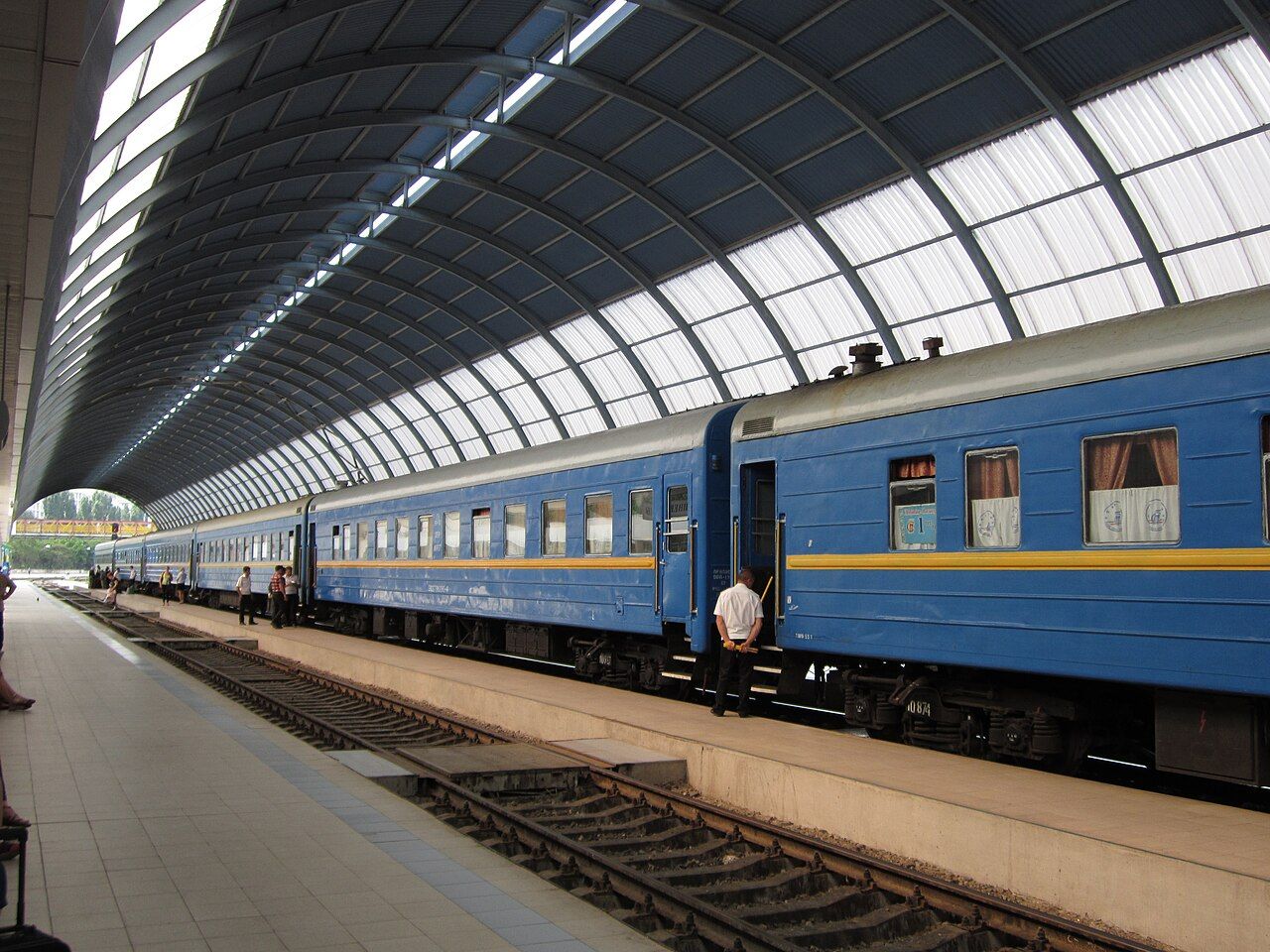
Chișinău is also the base for day trips. The cave monastery at Orheiul Vechi is about an hour away by road, and many people come and go by the overnight train or by bus; the practical side is covered in getting around. Further north, the fortress of Soroca and the cliff monasteries along the Dniester make a longer day out.
A note on the wider country: east of the Dniester lies Transnistria, a breakaway region where foreign governments advise caution. If it comes up in your plans, check your government's current advice before you go.
The photographs on this page are credited, with their licences, on threads and photographers.