
The Danube and the sea · Danube Delta
Into the Danube Delta
Where the Danube meets the Black Sea it splits into three arms and a maze of channels, lakes and reed beds, home to pelicans, fishing villages and a town with no road.
After nearly three thousand kilometres, the Danube reaches the Black Sea in the east of Romania and spreads out into the largest delta in the European Union. It is a world of water: three main arms, hundreds of channels and lakes, floating islands of reed, willow woods, sand dunes and a few villages that can be reached only by boat. Much of it is protected as the Danube Delta Biosphere Reserve and is on the UNESCO World Heritage list.
You do not see the delta from a car. You see it from a boat, slowly, in the early morning or the evening, when the birds are moving and the water is still.
Tulcea, the gateway
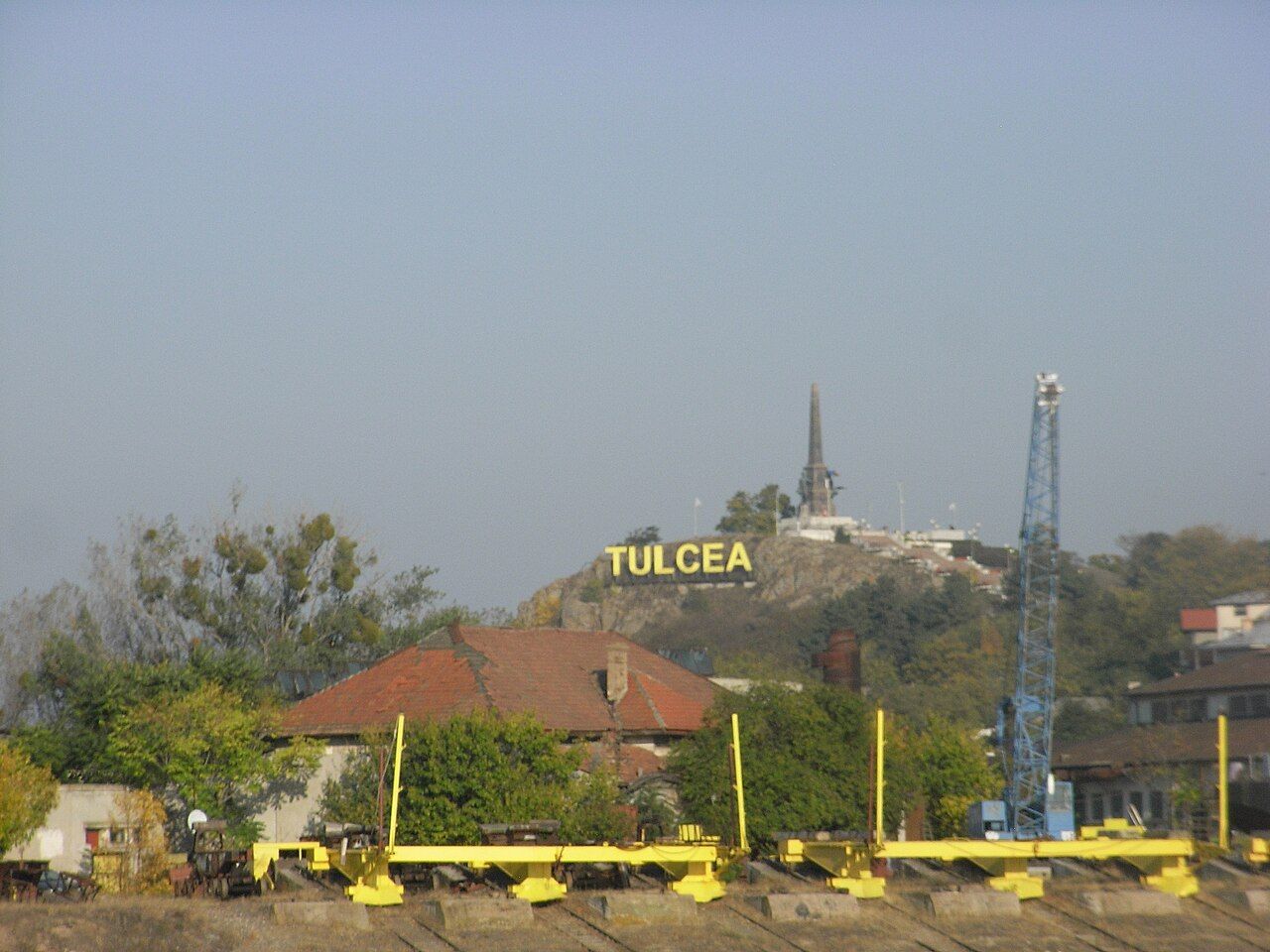
Tulcea, on the southern bank of the river at the head of the delta, is where most visits begin. Boats leave from its waterfront for the villages and for Sulina, and the town has the services you will need before going into a place with few of them.
Above the town, on a hill, stands the Independence Monument, raised to mark the war of independence of 1877 to 1878, with views over the river and the first channels of the delta. The waterfront promenade is pleasant in the evening, and the town has a museum and aquarium about the delta's nature that make a good introduction before you go out on the water.
Three arms to the sea
Just below Tulcea the Danube divides. The Chilia arm, the northern one, carries the largest share of the water and forms the border with Ukraine for much of its length. The Sulina arm, in the middle, was straightened and dredged from the 19th century to make a shipping channel, and large ships still use it. The Sfântu Gheorghe arm, the southern one, winds in long loops to the sea at the village of the same name.
Between the arms lies the real delta: a maze of narrower channels, called canals, linking lakes of all sizes, reed beds that stretch to the horizon and patches of forest. Some areas, such as the old oak forest of Letea and the dunes of Caraorman, are strictly protected, and access is restricted.
You do not see the delta from a car.
The people of the delta include Romanians, Ukrainians and Lipovans, Russian-speaking Old Believers whose ancestors settled here in the 18th century. Many families still fish, cut reed for roofs, and get around by boat.
The villages are small and strung along the water. Crișan lies on the Sulina arm, Mila 23 on an old loop of the river and Sfântu Gheorghe by the sea, and in each the houses are low, often painted white and blue, with reed roofs and boats tied up at the bottom of the garden. Life follows the seasons and the water level, which rises in spring when snowmelt from across Central Europe comes down the river. The delta itself is still growing, as the Danube carries silt out to the sea and builds new land at its mouths.
Further along the arcConstanța and the Greek city of HistriaPelicans and reed beds
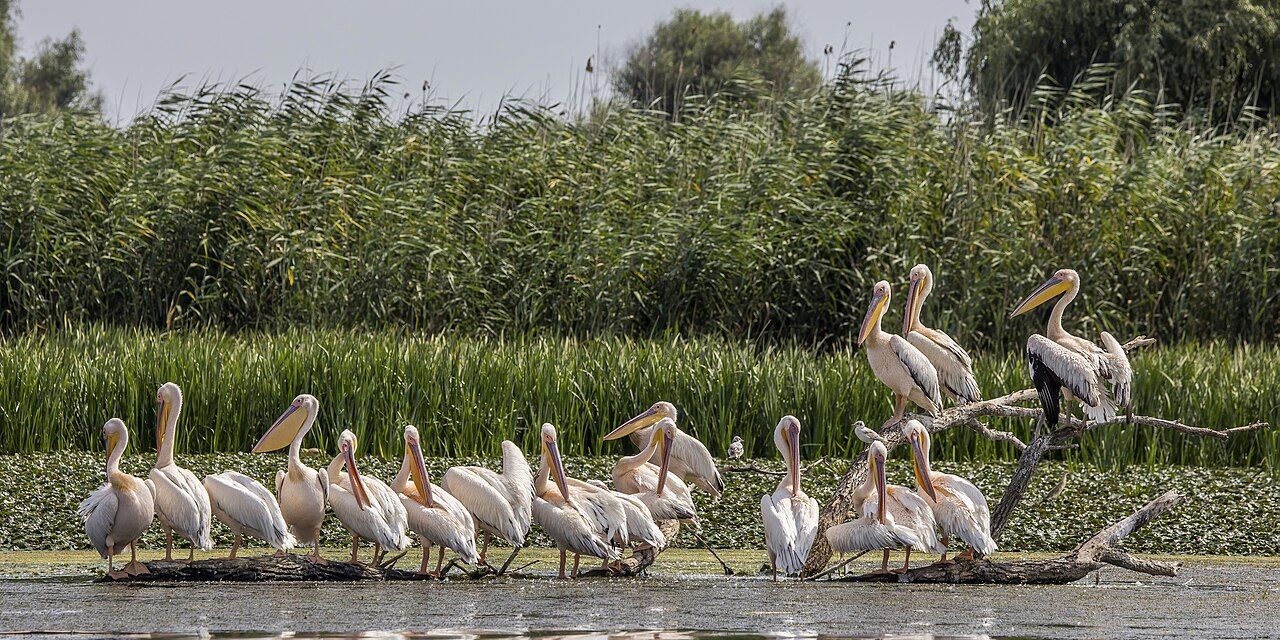
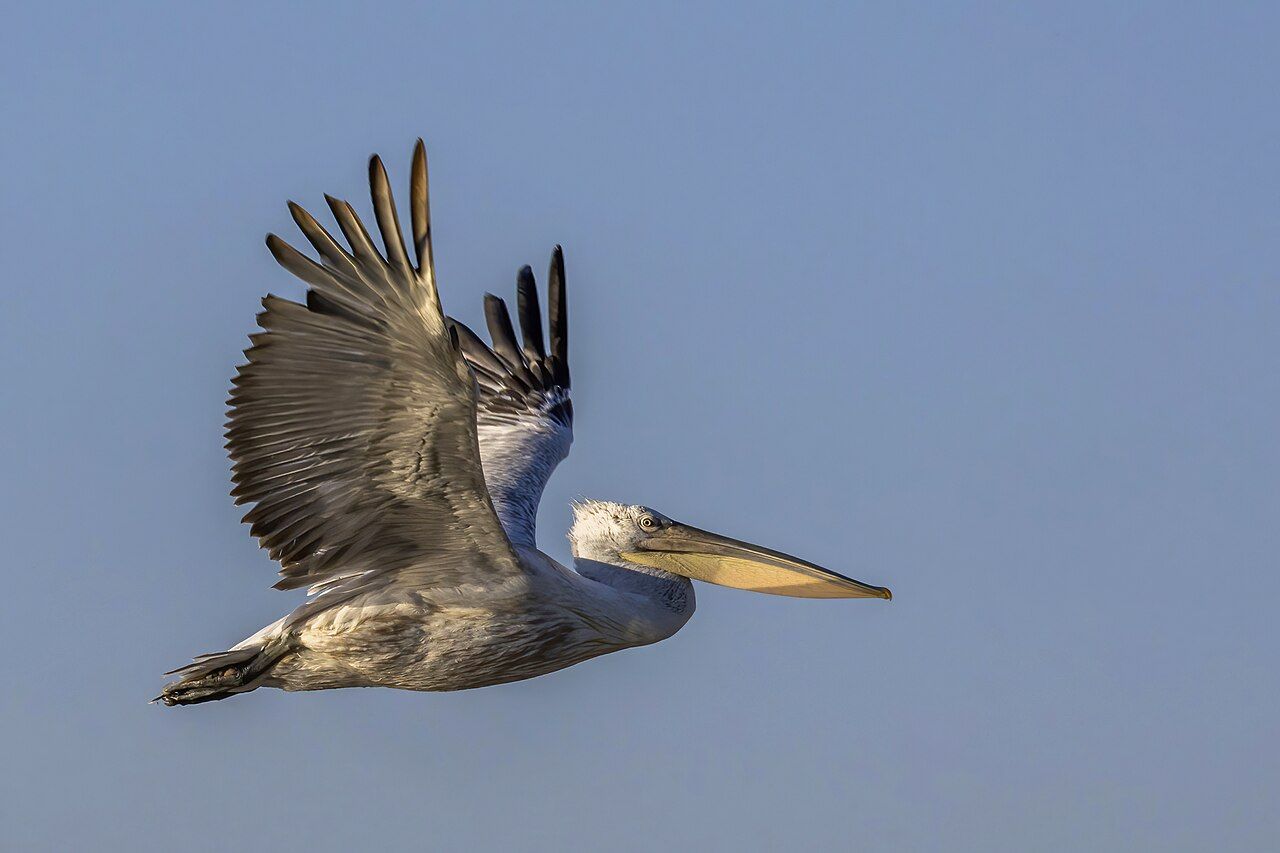
The delta is one of Europe's great places for birds, with more than three hundred species recorded. The best known are the pelicans. Great white pelicans breed here in large colonies, and the rarer Dalmatian pelican, greyer and with curly head feathers, nests here too. Most arrive in spring and leave in autumn.
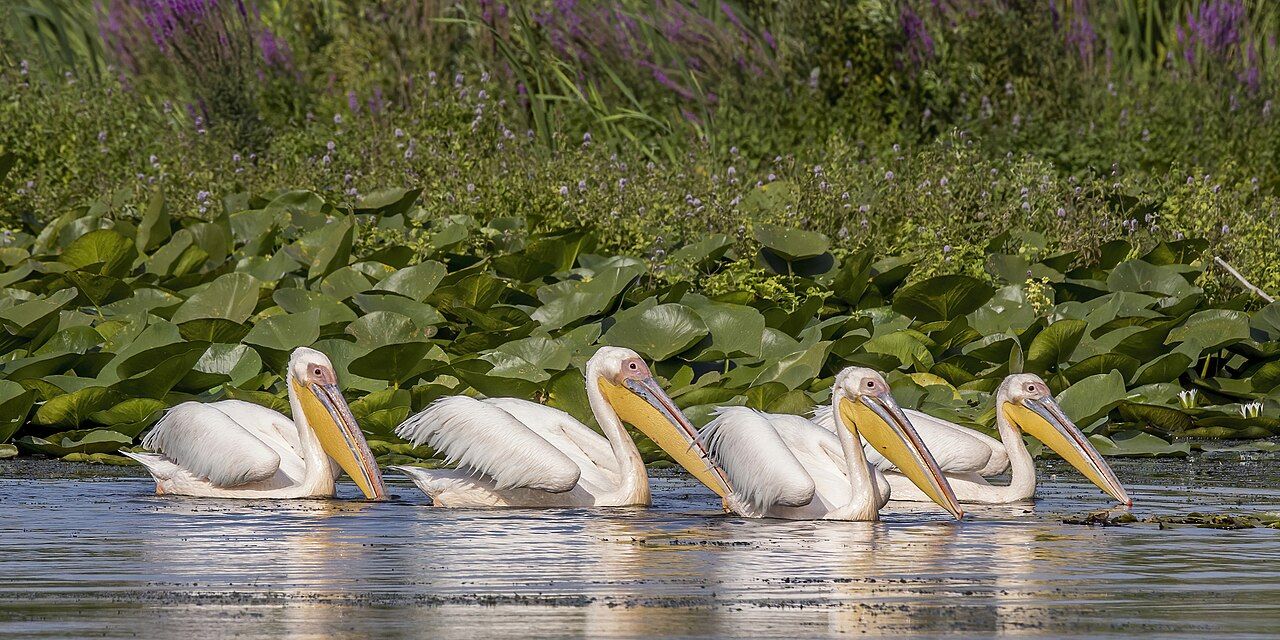
You will also see cormorants, herons, egrets, ibises, terns, kingfishers and many kinds of ducks, and white-tailed eagles over the lakes. Late spring, when birds are nesting and migrating, and early autumn are the richest times. Bring binoculars, and go out early in the morning.
Keep your distance from colonies and nesting birds, and ask your boatman not to chase them. Engines, noise and close approaches disturb the birds, especially in the breeding season. Smaller boats with quiet engines, or rowing boats, get you closer to life on the narrow channels without harming it.
Getting around on the water
Public passenger boats run from Tulcea along the main arms to Sulina, Sfântu Gheorghe and Chilia Veche, and private boats can be hired in Tulcea and the villages for trips into the smaller channels. Schedules change with the season and the year, so check them before you go, and do not expect to change plans quickly once you are out in the delta.
Entry to the biosphere reserve requires a visitor permit, and there are rules about fishing, camping, fires and where boats can go. Check the current rules and how to get the permit before you set out. Stay on marked routes and take your rubbish back with you.
Mosquitoes are a fact of life here, especially in summer and in the evening. Bring a strong repellent, long sleeves and trousers, and choose a room with screens on the windows. Sun on the water is strong, so bring a hat and sunscreen. Cash is useful in the villages, where cards are not always accepted.
Staying a night or two in a village guesthouse gives you the early mornings and evenings on the water, which day trips from Tulcea miss. Pack light, as you may carry your bags along a jetty or a sandy lane, and bring what you need, as village shops are small. Weather on the open lakes can change quickly, and wind raises waves that make small boats uncomfortable, so listen to the boatman's advice.
Sulina at the end of the river
Sulina lies where the middle arm meets the sea, and no road reaches it. It grew in the 19th century as a free port, when the European Commission of the Danube was based here to manage shipping on the river, and Greek, Armenian, Jewish and other merchants settled in the town. Its old Commission palace still stands on the waterfront.
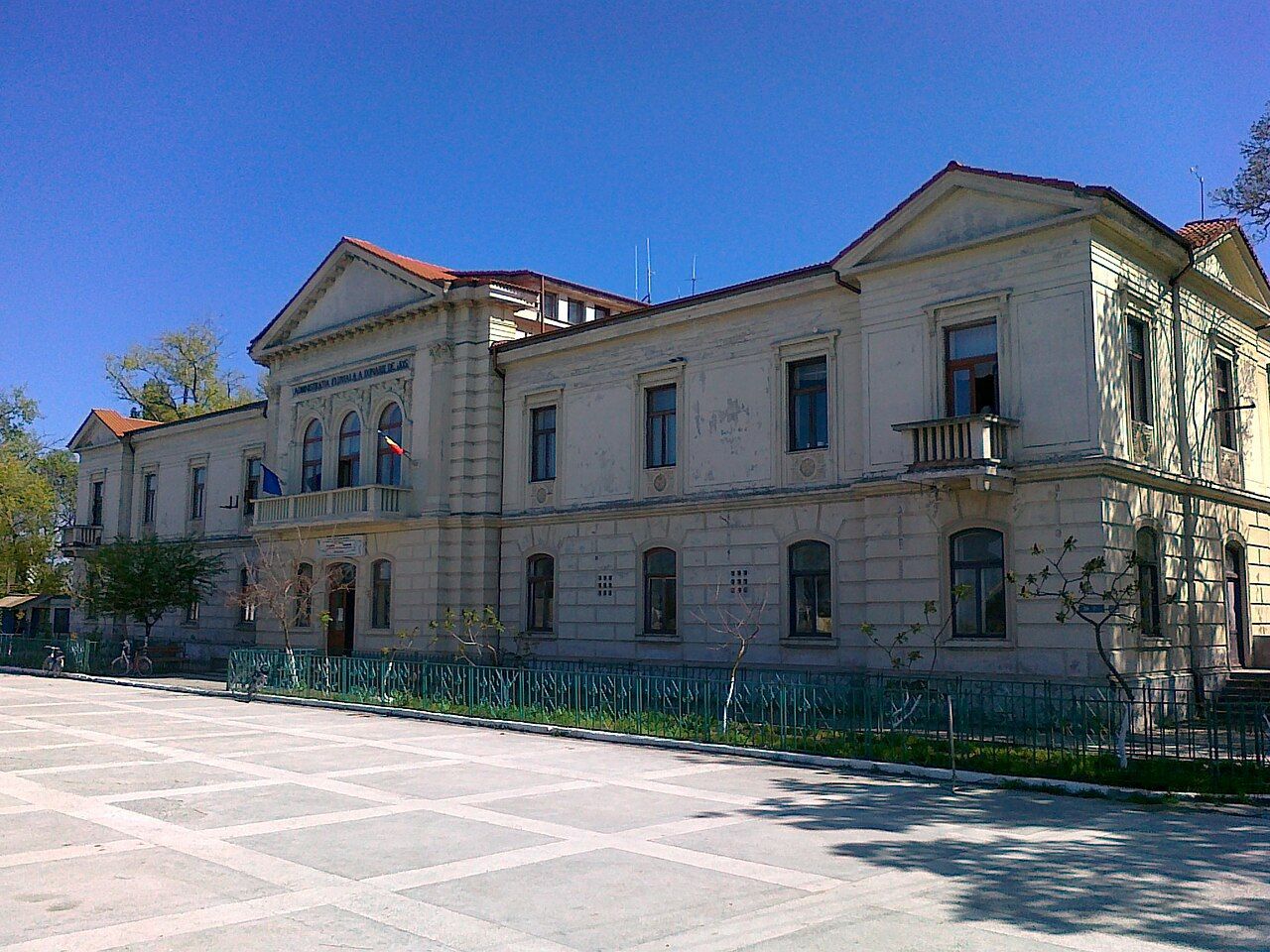
Walk along the river to the old lighthouse, which marked the mouth of the Danube before the land grew further out to sea, and visit the old cemetery, where graves of many faiths and languages stand side by side. Beyond the town, a long sandy beach runs along the Black Sea, wide and uncrowded.
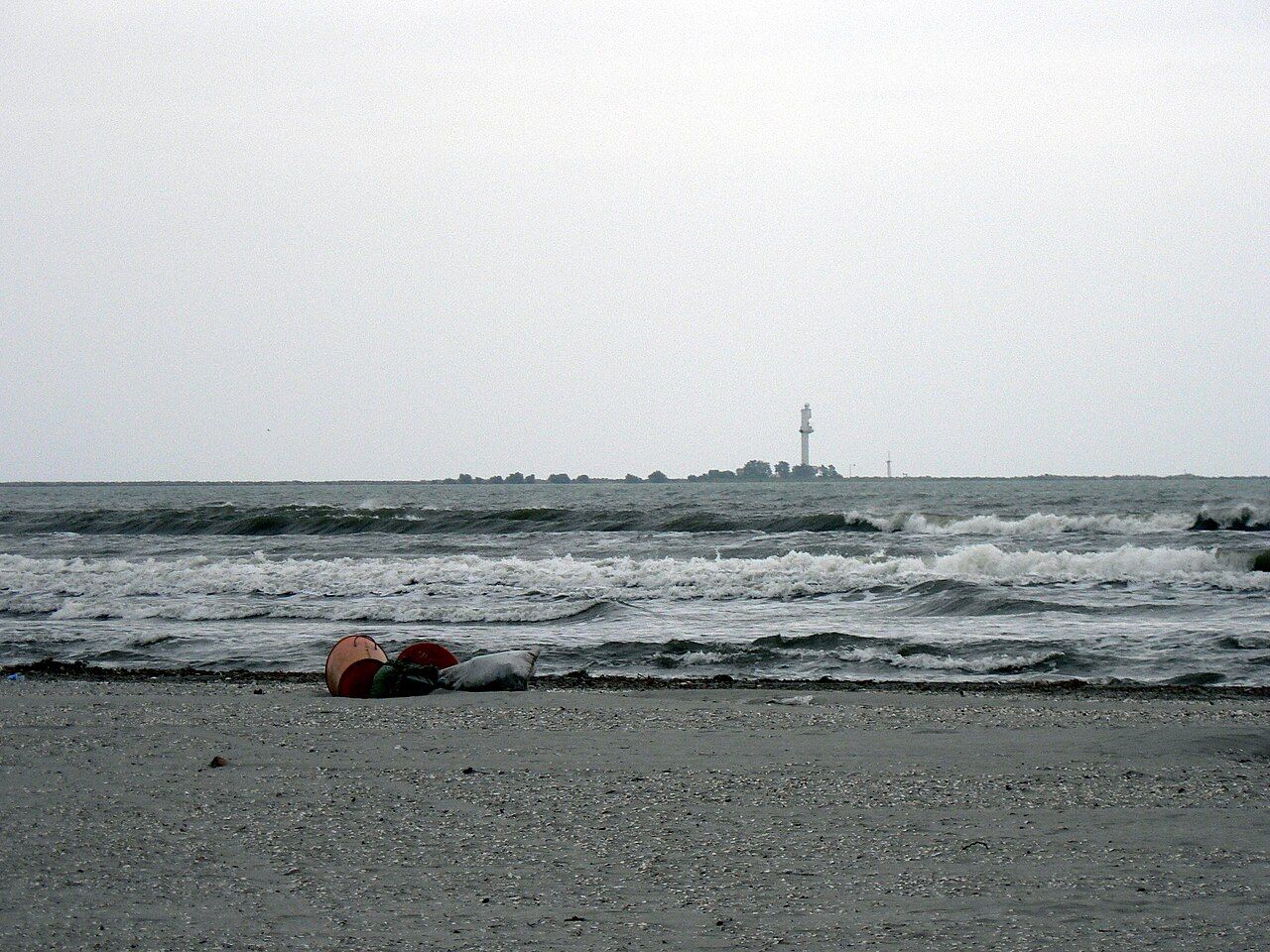
The delta is in Dobruja, the region between the Danube and the Black Sea. From Tulcea it is a short drive to the Greek ruins of Histria and the port of Constanța. Most visitors reach Tulcea by road or bus from Bucharest; for routes, see getting around. In the villages, fish soup and grilled fish are the local dishes; there is more on the region's food in the Romanian table.
The photographs on this page are credited, with their licences, on threads and photographers.