
Saxon towns, fortified churches and the high road
Transylvania
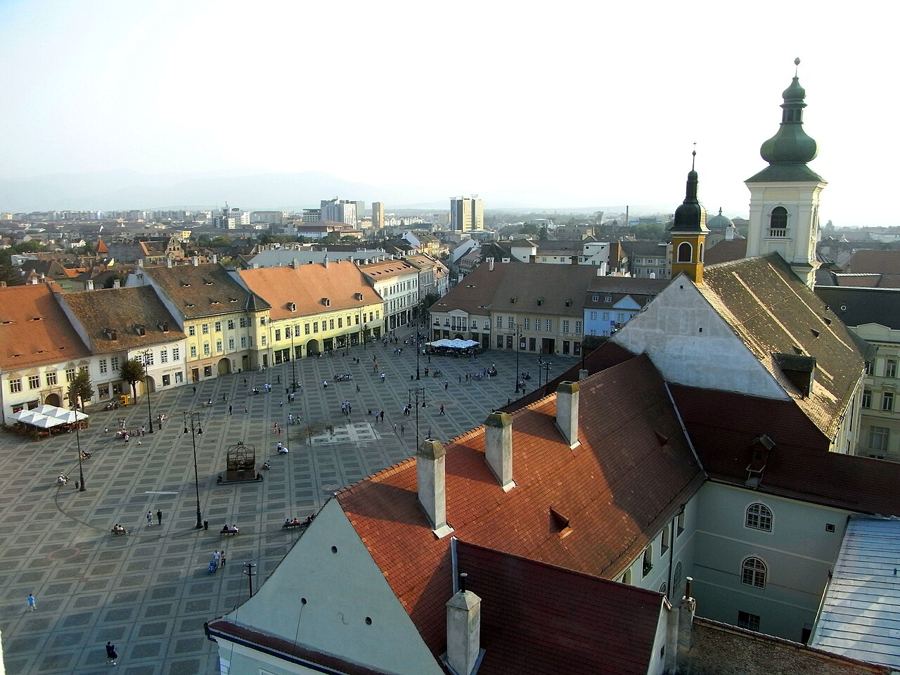
Sibiu, the town with eyes in its roofs
Sibiu was Hermannstadt for most of its history, and its Saxon builders left two towns stacked on one slope, three linked squares and roofs that seem to watch you cross them.
Four to five hours from Bucharest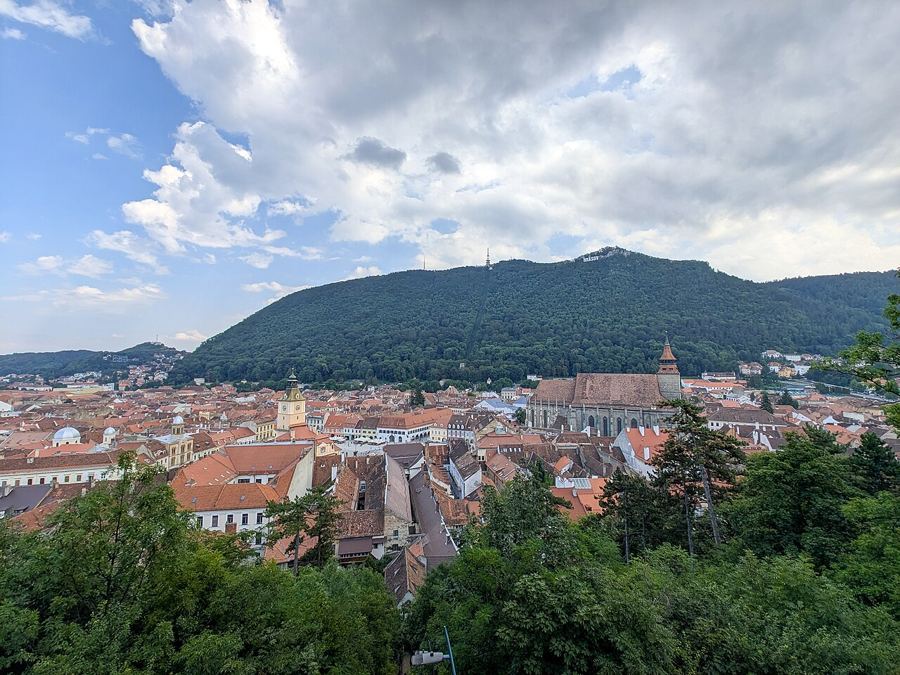
Brașov under Tâmpa
A walled Saxon trading town in a bowl of mountains, with a fire-blackened Gothic church, a very narrow lane, a Romanian quarter beyond the gates and a forested peak you can ride or walk up.
About three hours from Bucharest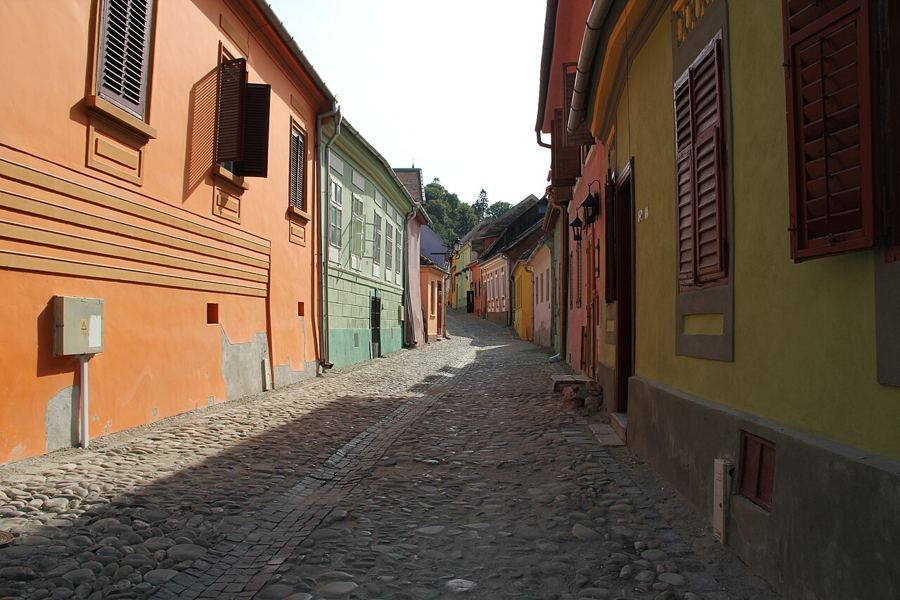
Sighișoara's citadel
A hilltop citadel where people still live and go to school, with a painted Clock Tower, a covered stairway to a Gothic church, and towers named for the guilds that held them.
About three hours from Cluj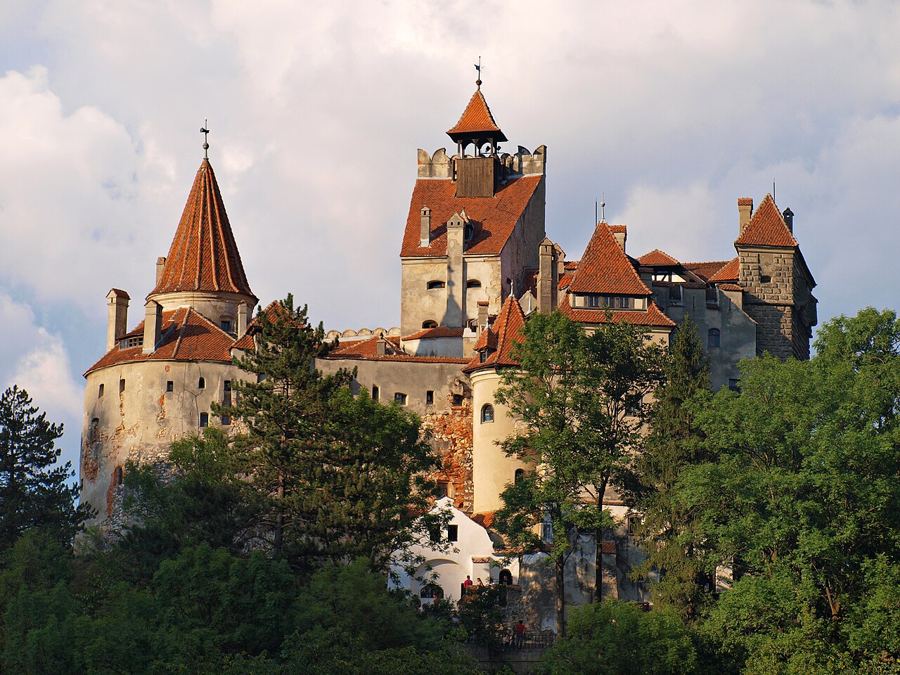
Bran Castle and the Râșnov citadel
A customs castle on a mountain pass that a novel's fame turned into Dracula's home, a queen who made it hers, and a villagers' fortress on the hill next door.
Three hours or so from Bucharest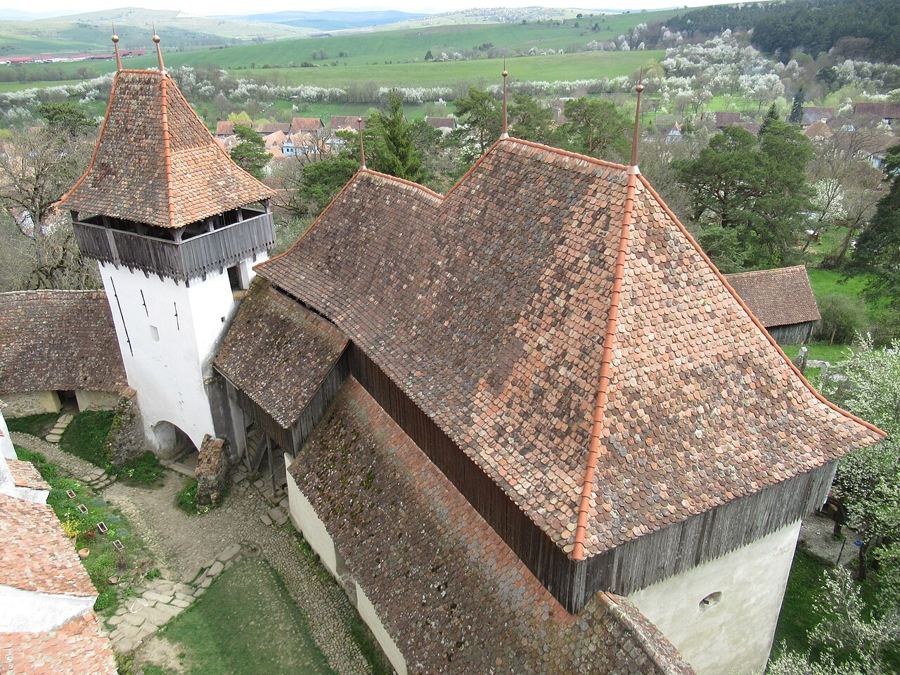
The Saxon fortified churches
Across southern Transylvania, Saxon villages turned their churches into fortresses, with ring walls, towers and storerooms. Many villages emptied after 1990, but the churches still stand, and many still open their doors.
Three to five hours from Bucharest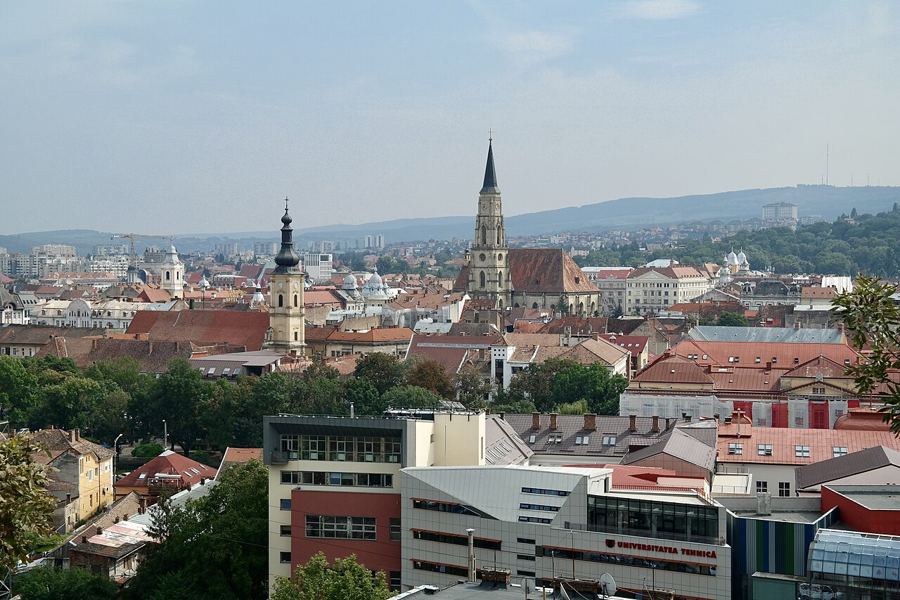
Cluj-Napoca, the university city
Transylvania's student city, where a Gothic church faces a Hungarian king's statue, Romanian and Hungarian histories share the same streets, and an old salt mine waits an hour to the south.
A long day from Bucharest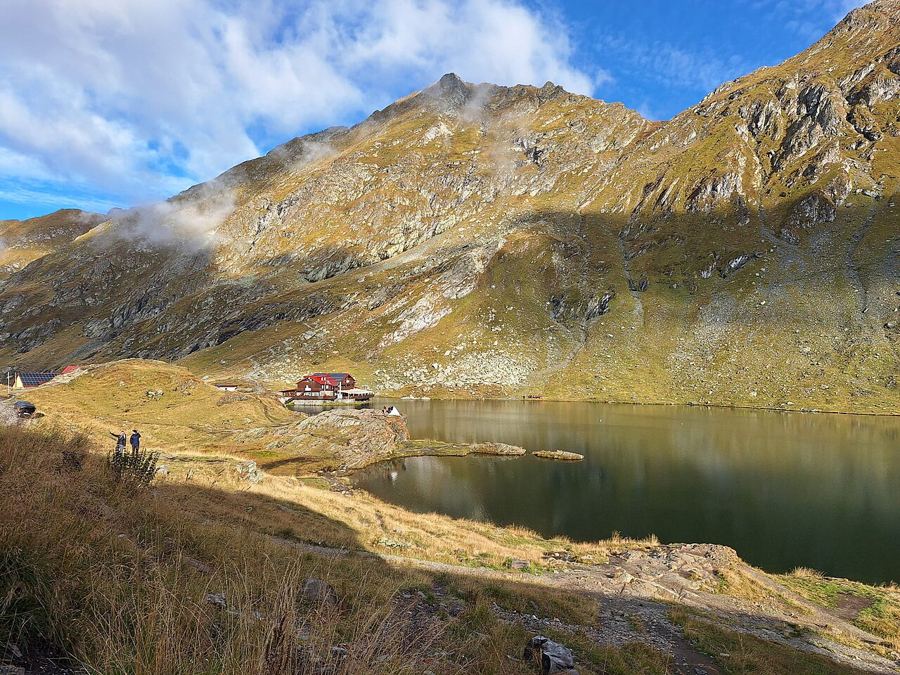
Over the Transfăgărășan
A road built for the army in the 1970s climbs from the Olt plain to a glacial lake and drops through forest to a dam and a ruined fortress. It opens only in the warmer months.
Four hours from Bucharest