
Moldova · Soroca
Soroca fortress and the Dniester
In the north of Moldova a round stone fortress guards a crossing of the Dniester, and downriver monks built in the cliffs at Saharna and Țipova, above gorges full of springs and waterfalls.
The Dniester is the great river of eastern Moldova. It rises in the Ukrainian Carpathians, crosses the plain in long loops and gorges, and reaches the Black Sea in Ukraine. For much of its course through Moldova it cuts down into limestone, leaving high cliffs above the water, and the people who lived along it used those cliffs for defence and for prayer. This trip follows the river from the fortress town of Soroca in the north to the monasteries of Saharna and Țipova further south.
The far bank along this northern stretch is Ukraine. Further south, much of the land on the left bank lies within Transnistria, a breakaway region where foreign governments advise caution; check your government's current advice before any plans that take you near it. The places described here are all on the right bank, in the rest of Moldova.
Soroca fortress
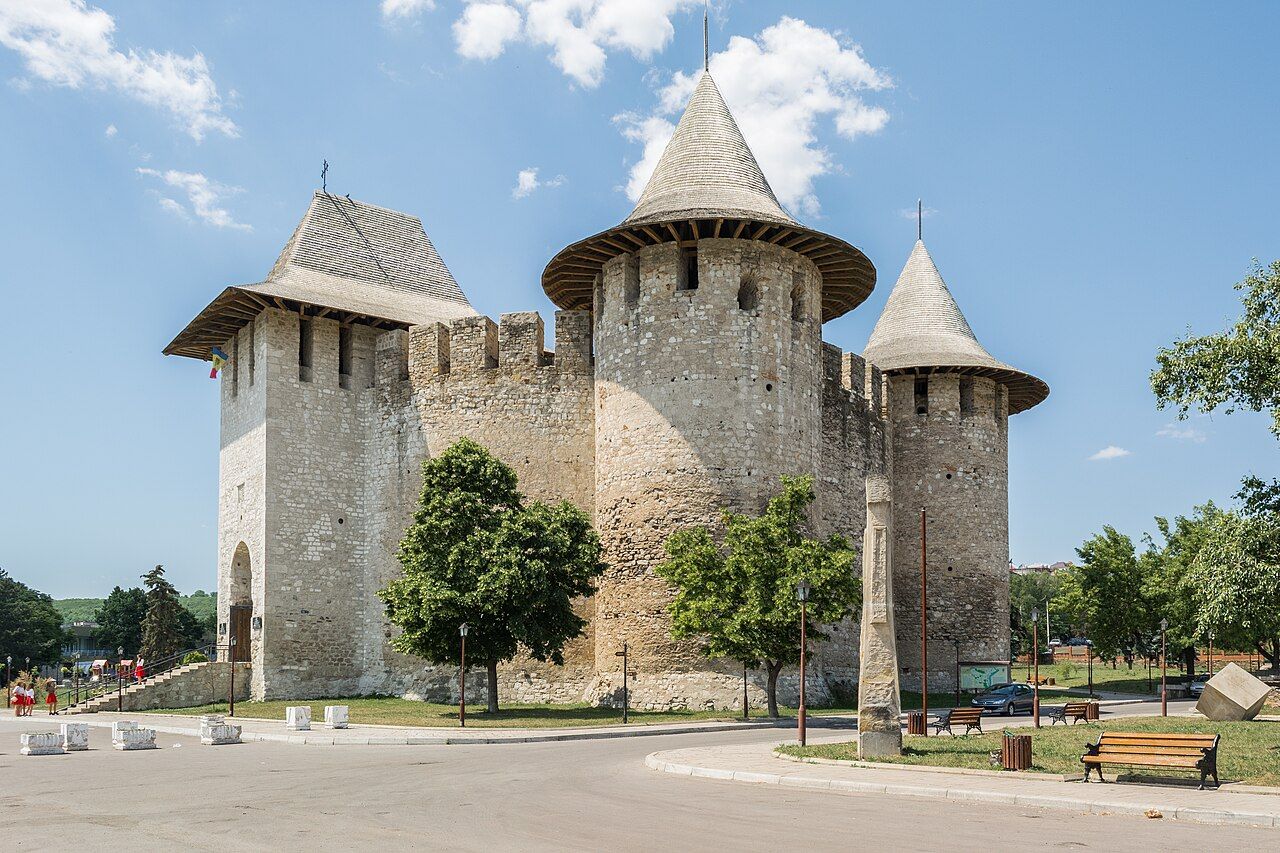
Soroca stands on the right bank of the Dniester at an old crossing point, and its fortress is the best-preserved medieval castle in Moldova. Stephen the Great, prince of Moldavia, had a wooden fort built here in the late 15th century to guard the ford and the frontier. Under his son Petru Rareș, in the 1540s, it was rebuilt in stone in the form you see today.
The design is unusual and easy to read: a perfect circle of thick stone wall, with four round towers set at equal distances around it and a square gate tower. Inside, a narrow courtyard is ringed by galleries on several levels, with rooms built into the thickness of the walls. The towers have tall conical roofs, and from the upper galleries you look out over the river to the Ukrainian bank.
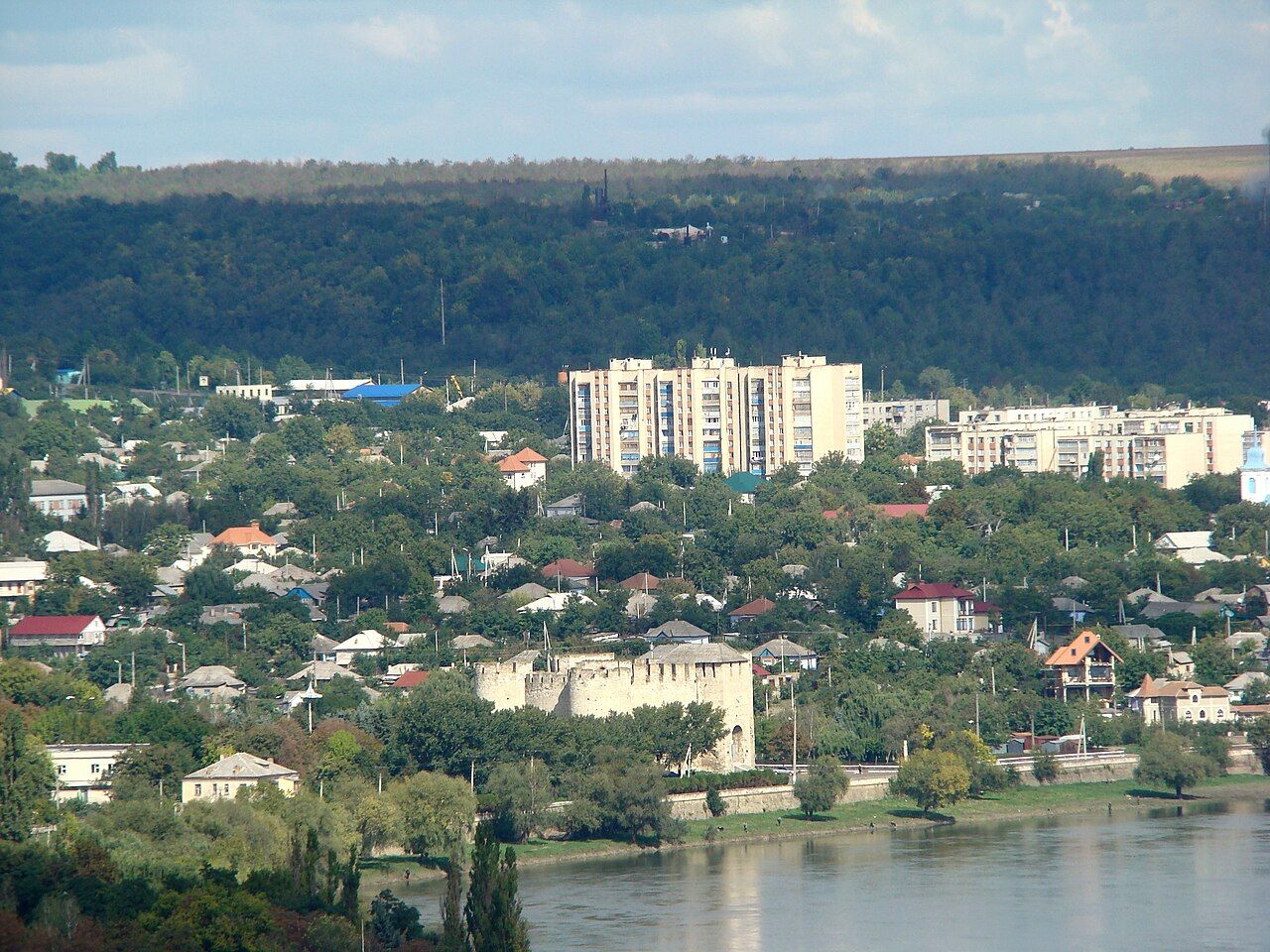
The fortress has been restored, and it holds a small museum. Arrangements for entry change, and it can be closed for works, so check before you travel. The setting is a park by the river at the edge of the town centre, and the walk along the bank is pleasant in the evening.
The Candle of Gratitude and the town
On the high cliff above Soroca stands the Candle of Gratitude, Lumânarea Recunoștinței, a white monument in the shape of a tall candle, built in the 2000s. It is dedicated to the anonymous keepers of the country's language, culture and faith: the village teachers, priests and writers. A long stair climbs up to it from the road below, and the view from the top takes in the town, the river and the plain far into Ukraine. The climb is steep, so take your time and carry water in summer.
Soroca is also known for the hillside district above the centre where many of the town's Roma families live, with large, ornate houses topped with turrets and decorative roofs. It is a residential neighbourhood, not an attraction, and the same courtesy applies as anywhere else: be respectful, and ask before photographing people or their homes.
Further along the arcMoldova's wine countrySaharna Monastery
South of Soroca, near the town of Rezina, a small river runs down a steep wooded gorge to the Dniester, and in that gorge stands Saharna Monastery. Monks first lived here in caves in the cliff, and a rock church above the valley is still in use. The main monastery below, dedicated to the Holy Trinity, grew up in the 18th and 19th centuries and has been revived since independence, with new buildings and a richly decorated church.
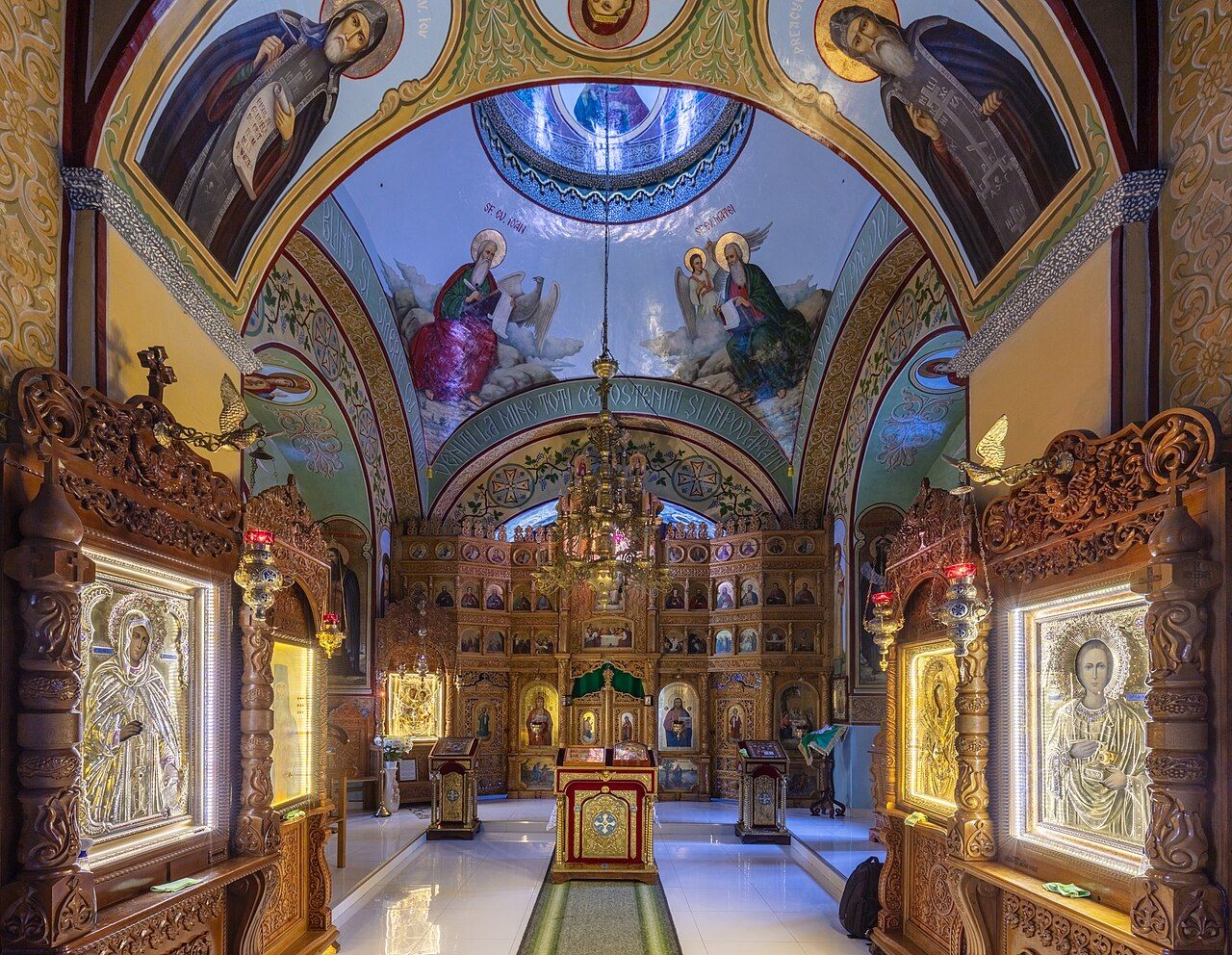
Saharna is a pilgrimage site. Local tradition holds that a monk saw a vision of the Virgin on the cliff above the monastery, and a mark in the rock said to be her footprint is visited by pilgrims, who climb a path through the woods to reach it. The gorge also has a chain of small waterfalls on the stream, reached by trails from the village, and the walking is a good reason to give Saharna half a day.
Țipova cave monastery
A little further along the Dniester, Țipova Monastery is cut directly into the cliff above the river. It is one of the largest cave monasteries in this part of Europe: a series of cells, chapels and passages carved into the limestone on several levels, linked by steps and ledges. The oldest parts are thought to go back to the medieval period, and the caves were used by monks and hermits over many centuries. Tradition links the monastery to Stephen the Great, and it is said that he married here; treat that as a story rather than a record.
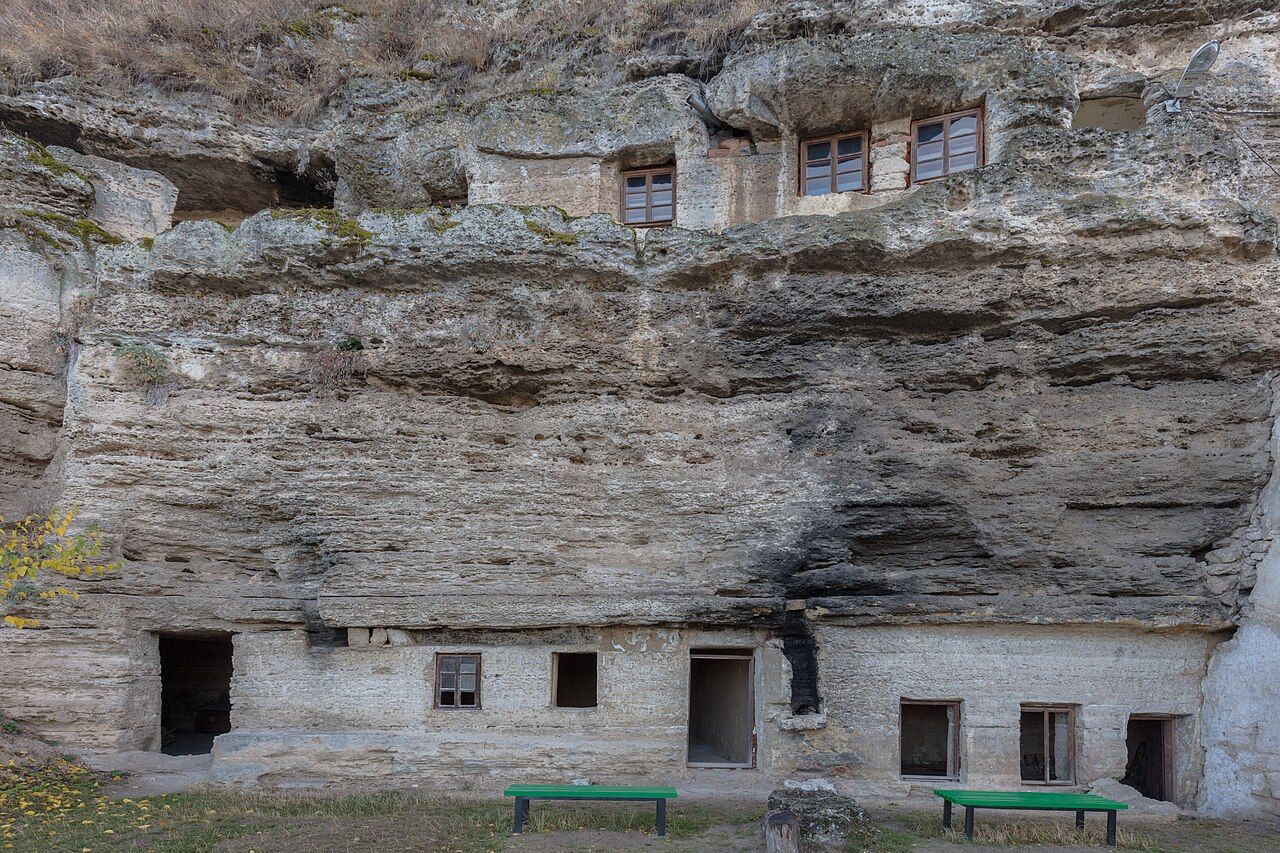
The path down from the plateau to the caves is steep and uneven, and some of the cliff ledges have only light railings, so wear proper shoes and keep a close eye on children. A stream nearby falls through the rock in a series of waterfalls, especially after spring rain. As at every monastery in Moldova, cover your shoulders and knees, carry a scarf for your hair, keep quiet in the churches and ask before taking photographs.
Planning the trip
Soroca and the two monasteries are a long day by road from Chișinău, and easier spread over two. Buses run to Soroca and to Rezina, but the monasteries are outside the towns, and a car or an arranged driver makes the route much simpler. Distances are moderate, but roads in the countryside can be slow. For trains, buses and the roads in general, see getting around.
A good loop combines this trip with the cave monastery at Orheiul Vechi, which lies between Chișinău and the Dniester and shares the same story of limestone cliffs and monks who carved their homes into them. Late spring and early autumn are the best seasons: the gorges are green, the waterfalls are running, and the paths are dry enough to walk.
The photographs on this page are credited, with their licences, on threads and photographers.